
Which is more reliable, the Ford Escape or the Subaru Forester? RepairPal's model-wide reliability data rates the Ford Escape at 4.0 out of 5.0, ranking it 16th of 26 compact SUVs, with an average annual repair cost of $600. The Subaru Forester scores 3.5 out of 5.0, ranking 21st of 26, with an average annual repair cost of $632. These figures cover vehicles across multiple model years and should not be treated as a prediction for a specific new or used vehicle. For used shoppers, the individual model year, powertrain, service history, recall status, mileage, and condition matter more than a nameplate-wide average.
The Ford Escape and Subaru Forester are natural alternatives for Chicago-area drivers who want compact-SUV practicality, winter capability, and enough cargo space for everyday family use. This guide compares the 2026 models on the factors that are most useful in that decision: all-wheel-drive availability, cargo space, hybrid fuel economy, towing, safety ratings, and ownership considerations. Specifications and ratings are based on information published by Ford, Subaru, EPA-related sources, IIHS, NHTSA, RepairPal, and Consumer Reports at the time of review.
Ford Escape vs. Subaru Forester: Comparison Table
| Model | Powertrain / Towing | AWD | Cargo Behind 2nd Row | EPA Fuel Economy |
|---|---|---|---|---|
| Ford Escape | 1.5L EcoBoost (180 hp), 2.0L EcoBoost (250 hp), Hybrid, or Plug-In Hybrid; up to 3,500 lb with the 2.0L EcoBoost and available Class II Trailer Tow Package | Available depending on trim and powertrain; not every Escape is AWD | 37.5 cu ft on EcoBoost models; 34.4 cu ft on Hybrid/PHEV models | 1.5L AWD: 28 mpg combined; 2.0L AWD: 26 mpg combined; Hybrid AWD: 39 mpg combined |
| Subaru Forester | 2.5L flat-4 (180 hp) or series-parallel Hybrid (194 hp system output); standard models tow up to 1,500 lb, while Wilderness is rated up to 3,500 lb | Subaru Symmetrical AWD standard across the lineup | Up to 29.6 cu ft on Base; 27.5 cu ft on many other configurations, including Hybrid models | Gas models: up to 29 mpg combined; Hybrid: 35 mpg combined |
Two-sentence verdict: The Forester makes AWD simple because it is standard across the lineup, while the Escape provides more cargo space behind the second row and better EPA-rated fuel economy when comparing the AWD hybrid versions. The better choice depends on whether standard AWD simplicity or everyday cargo capacity and hybrid efficiency matter more to you.
All-Wheel Drive in Snow: What's Actually Different?
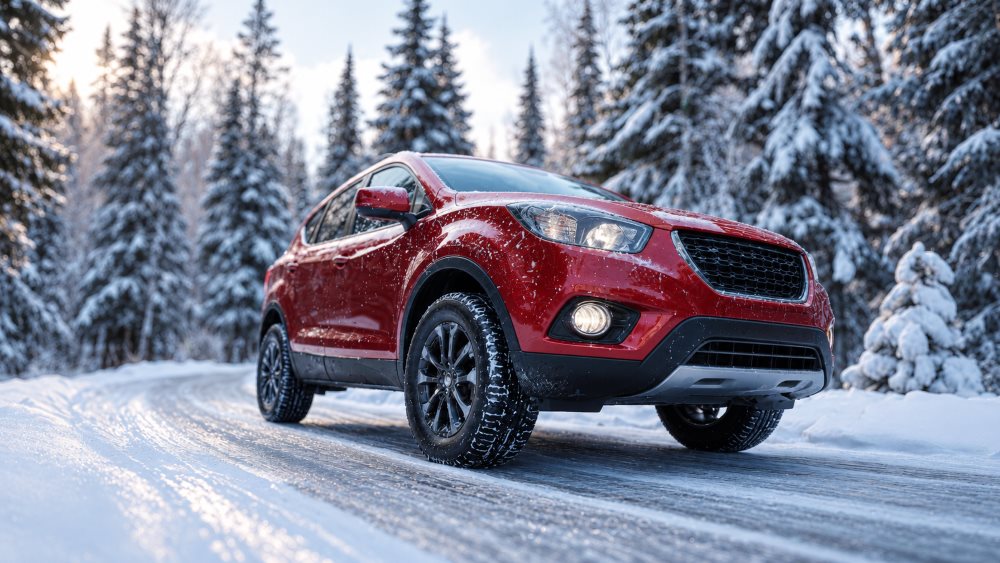
Every 2026 Forester includes Subaru Symmetrical All-Wheel Drive as standard equipment. The Escape offers AWD on multiple configurations, but AWD is not universal across the range, so shoppers - particularly those buying used - should verify the drivetrain rather than assuming every Escape is equipped the same way.
AWD can improve traction when accelerating on snow or slippery surfaces, but it does not eliminate the effects of ice, stopping distance, speed, tire condition, or severe weather. For Chicago winter driving, tire quality remains a major part of the equation. Buyers who frequently encounter snow or ice should consider appropriate winter or all-weather tires regardless of which SUV they choose.
Hybrid vs. Hybrid: Where Fuel Economy Separates Them
The Escape Hybrid with AWD carries an EPA-estimated rating of 39 mpg combined, including 42 mpg city and 36 mpg highway. The 2026 Forester Hybrid is rated at approximately 35 mpg combined, with 35 mpg city and 34 mpg highway. That gives the Escape Hybrid a measurable efficiency advantage on the EPA cycle, although actual fuel consumption will depend on temperature, traffic, trip length, driving style, vehicle load, and other conditions.
The two systems also take different approaches. Subaru's Forester Hybrid uses a next-generation series-parallel hybrid system combining a 2.5-liter SUBARU BOXER engine, electric motors, a lithium-ion battery, and standard Symmetrical AWD. The Escape is available as both a conventional hybrid and a plug-in hybrid, giving shoppers an additional electrified option. Neither architecture should automatically be considered more reliable simply because of its design; long-term ownership results depend on the specific model year, maintenance history, and vehicle condition.
Cold Weather and a Short Chicago Commute
EPA fuel-economy figures are standardized estimates rather than winter-specific guarantees. Cold starts, short trips, cabin heating, snow, low tire pressure, and extended idling can all reduce real-world fuel economy, so a short January commute may produce lower mileage than the published combined rating for either vehicle.
The Escape Plug-In Hybrid adds another consideration. Its EPA-rated electric range can be affected by low temperatures and heating demand, so drivers intending to complete most short trips on electricity should expect seasonal variation in EV-only range. Actual range varies with weather, speed, accessory use, charging conditions, and driving style.
Cargo Space: What Fits Behind the Second Row?
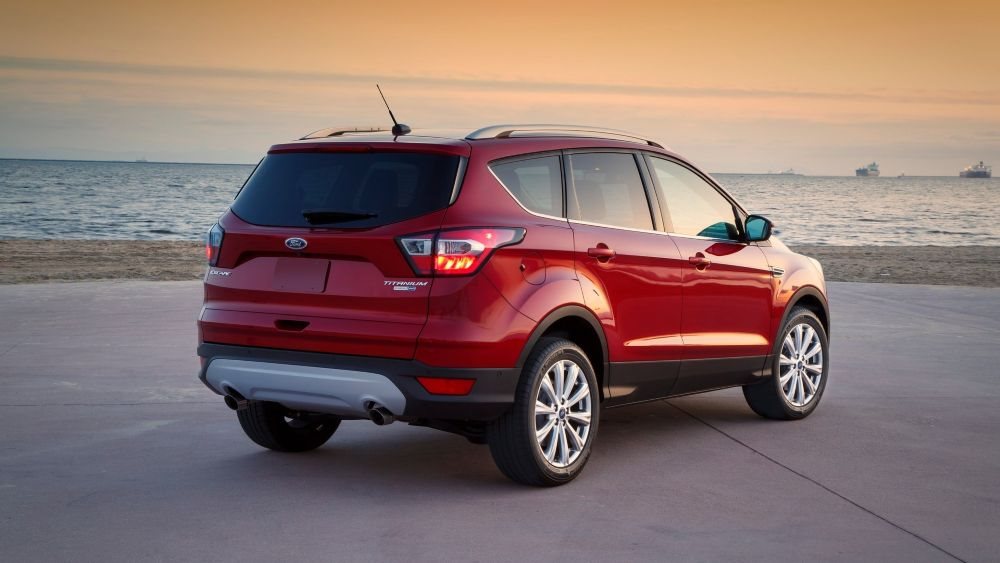
With the rear seats upright, the Escape provides 37.5 cu ft of cargo capacity on EcoBoost models and 34.4 cu ft on Hybrid and Plug-In Hybrid models. The Forester provides up to 29.6 cu ft on the Base configuration and approximately 27.5 cu ft on many other trims, including Hybrid models. For routine grocery, stroller, sports-gear, or luggage duty without folding the rear seats, the Escape therefore offers more measured cargo volume.
With the second row folded, the comparison changes. The Escape offers up to 65.4 cu ft on EcoBoost models and 60.8 cu ft on Hybrid/PHEV models. The Forester offers up to 74.4 cu ft on the Base model and approximately 69.1 cu ft on many other configurations. That gives the Forester an advantage for larger occasional loads when the rear seats are folded.
Ownership Costs and Chicago Winters
RepairPal lists an average annual repair and maintenance cost of $600 for the Ford Escape and $632 for the Subaru Forester. Those figures are model-wide historical averages across multiple model years, not forecasts for a particular 2026 vehicle. If the historical averages were simply extended over five years, the mathematical difference would be about $160, but actual repair costs can vary substantially with age, mileage, condition, maintenance, location, and the individual vehicle.
Chicago winter conditions introduce ownership factors that are not specific to either brand. Road salt, moisture, potholes, and freeze-thaw cycles can accelerate wear on brakes, suspension components, tires, and exposed underbody hardware. Regular inspections and cleaning are therefore worthwhile for either SUV, particularly if the vehicle is driven throughout winter and parked outdoors.
Fuel costs can create a larger difference for high-mileage hybrid drivers. The Escape Hybrid's higher EPA combined rating means it should use less fuel over the same mileage under comparable conditions, but the dollar savings will depend on annual mileage, fuel prices, and actual real-world efficiency rather than a fixed five-year estimate.
Safety Ratings: A Meaningful Difference in Current IIHS Testing
The 2026 Subaru Forester is an IIHS TOP SAFETY PICK+ award winner. IIHS gives the Forester Good ratings in the small-overlap front, updated moderate-overlap front, and updated side evaluations, along with strong ratings in the other criteria used for the current award.
The 2026 Ford Escape also receives Good ratings in the small-overlap front and updated moderate-overlap front evaluations. In the current IIHS results, however, the Escape receives a Marginal rating in the updated side test, an Acceptable headlight rating on the evaluated configuration, and a Marginal rating for the standard vehicle-to-vehicle front crash-prevention system.
IIHS ratings can apply differently depending on model year, build date, trim, equipment, or test protocol. Shoppers should review the latest IIHS and NHTSA information for the exact model year and vehicle they are considering rather than treating a single award or score as a complete measure of real-world safety.
Buying a Used Ford Escape: Model Year and VIN Matter
Used-vehicle reliability should be evaluated by exact model year rather than by the Escape nameplate alone. Consumer Reports currently describes the 2021 Escape as less reliable than other vehicles from the same model year and includes owner-reported transmission and other trouble areas in its reliability data. The 2024 Escape is also currently rated less reliable than other vehicles from its model year, while Consumer Reports describes the 2025 Escape as more reliable than other vehicles from the same model year.
Those assessments can change as additional survey information becomes available and should not be interpreted as a guarantee that an individual vehicle will or will not have problems. Before buying any used Escape, check the VIN for open recalls, review maintenance and repair records, confirm the exact powertrain and drivetrain, and consider an independent pre-purchase inspection.
Frequently Asked Questions
Which is more reliable, the Ford Escape or the Subaru Forester?
RepairPal's model-wide data gives the Escape a higher overall Reliability Rating: 4.0 out of 5.0 compared with 3.5 out of 5.0 for the Forester. RepairPal also lists average annual repair costs of $600 for the Escape and $632 for the Forester. Because these are averages across multiple model years, shoppers should also examine the reliability history, recalls, maintenance records, and condition of the exact vehicle they are considering.
Is the Subaru Forester larger than the Ford Escape?
The Forester is longer overall at about 183.3 inches, compared with roughly 180.1 inches for the Escape. However, the Escape provides more cargo volume behind the second row, while the Forester can provide more maximum cargo capacity with the rear seats folded. Which one feels larger therefore depends on whether overall exterior length or cargo configuration matters more to you.
What Ford Escape model year should a used buyer be cautious about?
There is no single model year that should automatically be rejected solely because of its year. The 2021 Escape deserves additional scrutiny because current Consumer Reports data rates it less reliable than other vehicles from the same model year and includes reported transmission-related problems. Check the individual vehicle's VIN, recall status, maintenance history, mileage, and mechanical condition before making a purchase decision.
Does the Subaru Forester have standard AWD?
Yes. Subaru Symmetrical All-Wheel Drive is standard across the 2026 Forester lineup, including the Forester Hybrid. The Escape also offers AWD, but availability depends on configuration, so buyers should verify the specific vehicle.
Which has more cargo space, the Escape or Forester?
With the second row upright, the Escape has more measured cargo volume: up to 37.5 cu ft versus up to 29.6 cu ft in the Forester. With the rear seats folded, however, the Forester can provide more maximum cargo volume: up to 74.4 cu ft compared with up to 65.4 cu ft in the Escape, depending on configuration.
Which hybrid gets better fuel economy?
On current EPA estimates, the AWD Ford Escape Hybrid is rated at 39 mpg combined, compared with approximately 35 mpg combined for the 2026 Subaru Forester Hybrid. Actual mileage varies with driving conditions, temperature, vehicle load, maintenance, and driving style.
Compare the Escape for Yourself
Specifications are useful, but seating position, visibility, cargo access, ride quality, controls, and drivetrain feel are best evaluated in person. Murgado Ford of Chicago can help shoppers review currently available Escape configurations and identify the drivetrain, cargo, towing, and efficiency features that fit their needs.
Browse our used Ford Escape inventory
About This Comparison
Prepared by the product specialist team at Murgado Ford of Chicago, 2501 N Elston Ave in Chicago.
Specifications, fuel-economy figures, cargo capacities, towing ratings, equipment availability, and safety information reflect the 2026 model year and information available from Ford, Subaru, IIHS, NHTSA, and related published sources at the time of review. Specifications and trim availability can change. Confirm current vehicle specifications and equipment before purchase.
Repair-cost and reliability information referenced in this comparison is based on published RepairPal and Consumer Reports data. Reliability ratings and owner-reported information are historical or survey-based and do not guarantee the performance or repair history of an individual vehicle.
Published and last reviewed September 10, 2026.